









 HOME
HOME


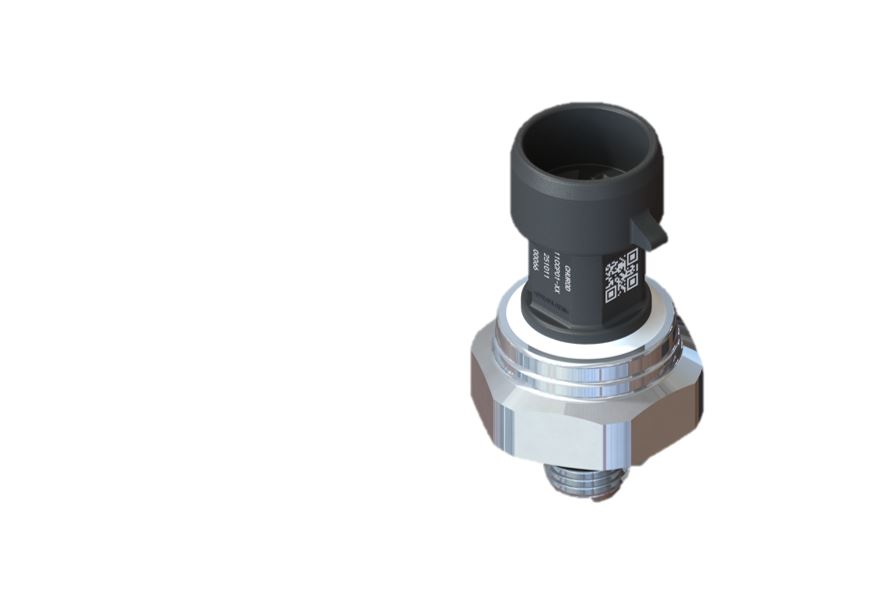
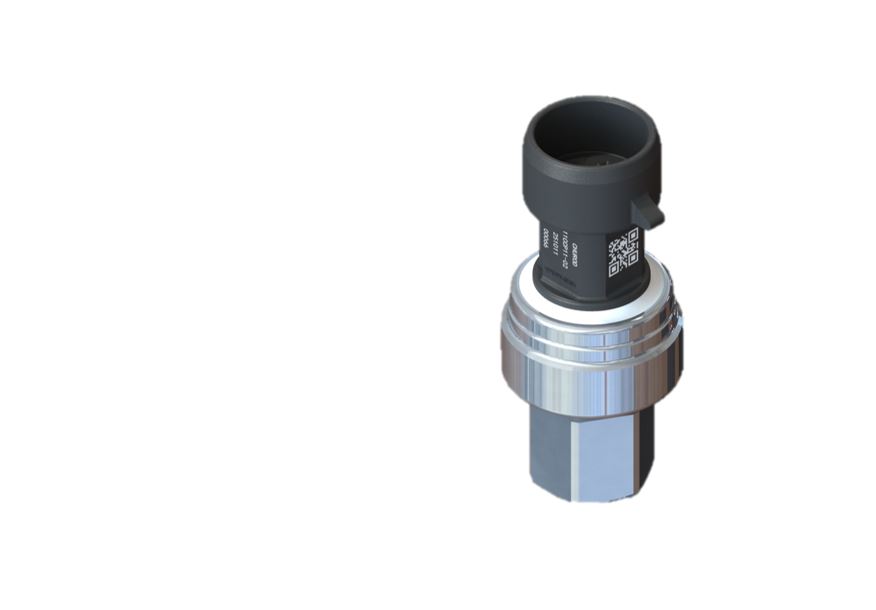
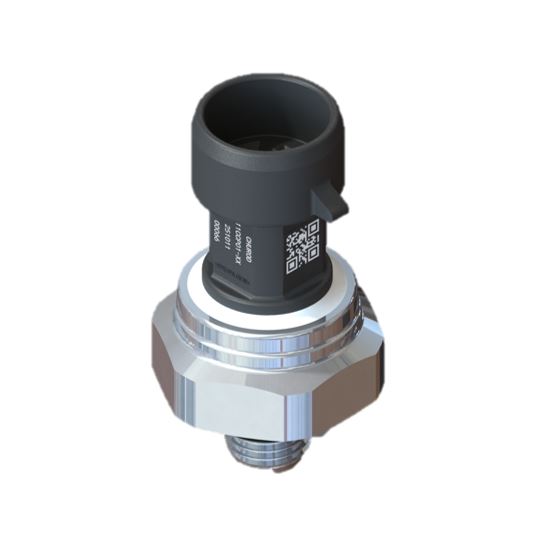
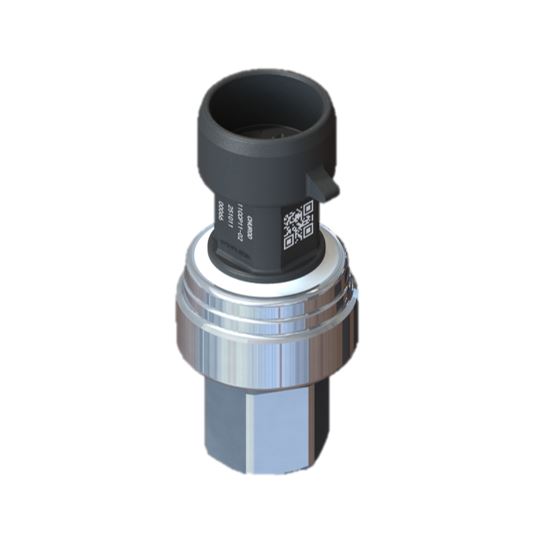

Ceramic Pressure Sensor
Refrigerant Pressure Sensor
Simple Structure, High Reliability
High Accuracy, Digital Multi‑point Compensation for Pressure and Temperature.
Customized Development, Compatible with Various Mounting Interfaces.
Application:
汽车
Pressure Details
| PARAMETERS | UNIT | 11CCP01-XX | 11CCP11-XX | ||||
| MIN VALUE | NOM VALUE | MAX VALUE | MIN | NOM | MAX | ||
| SUPPLY VOLTAGE | V | 4.75 | 5 | 5.25 | 4.75 | 5 | 5.25 |
| SUPPLY CURRENT | mA | 10 | 15 | ||||
| WORKING PRESSURE | barA | 1.01 | 10.256 | 1 | 34 | ||
| PROOF PRESSURE | barA | 20 | 58.8 | ||||
| BURST PRESSURE | barA | 30 | 98 | ||||
| WORKING TEMPERATUREENVIRONMENT | ℃ | -30 | 140 | -40 | 140 | ||
| OUTPUT VOLTAGE | V | 0.5 | 4.5 | 0.25 | 4.75 | ||
| PRESSURE RESPONSE TIME | mS | 10 | 10 | ||||
| LOW CLAMP VALUE | %Vcc | 5 | 6 | 7 | 0 | ||
| HIGH CLAMP VALUE | %Vcc | 91.26 | 92.6 | 93.6 | 94 | 95 | 95 |
| WORKING MEDIUM | - | R134a, HFO1234yf, R290 | |||||
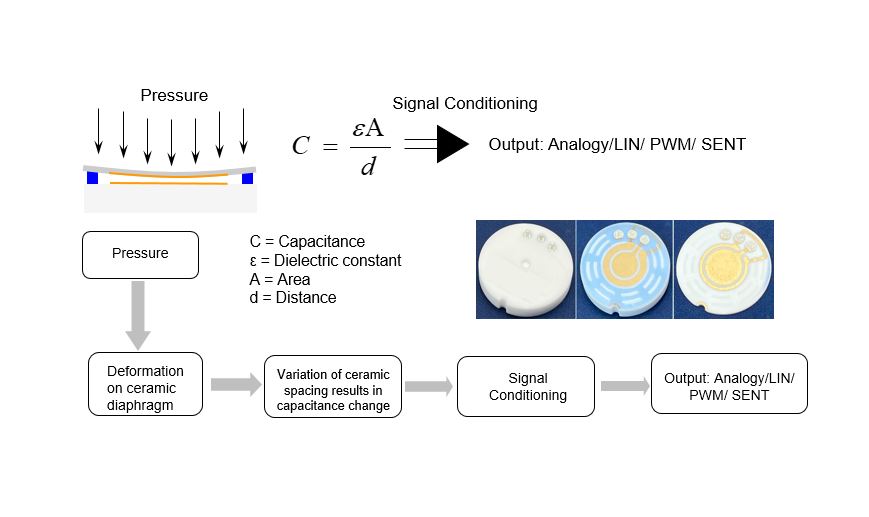
Ceramic Capacitive Pressure Sensing Principle
Deformation of ceramic strain gauges under pressure alters capacitance between gold-plated electrodes.
Capacitance variation is measured and processed to output pressure-dependent voltage signals.
Different pressure ranges are achieved by adjusting the thickness and diameter of ceramic strain gauges.
It features good media compatibility, no fatigue, no plastic deformation, negligible hysteresis and high reliability.

Related Products

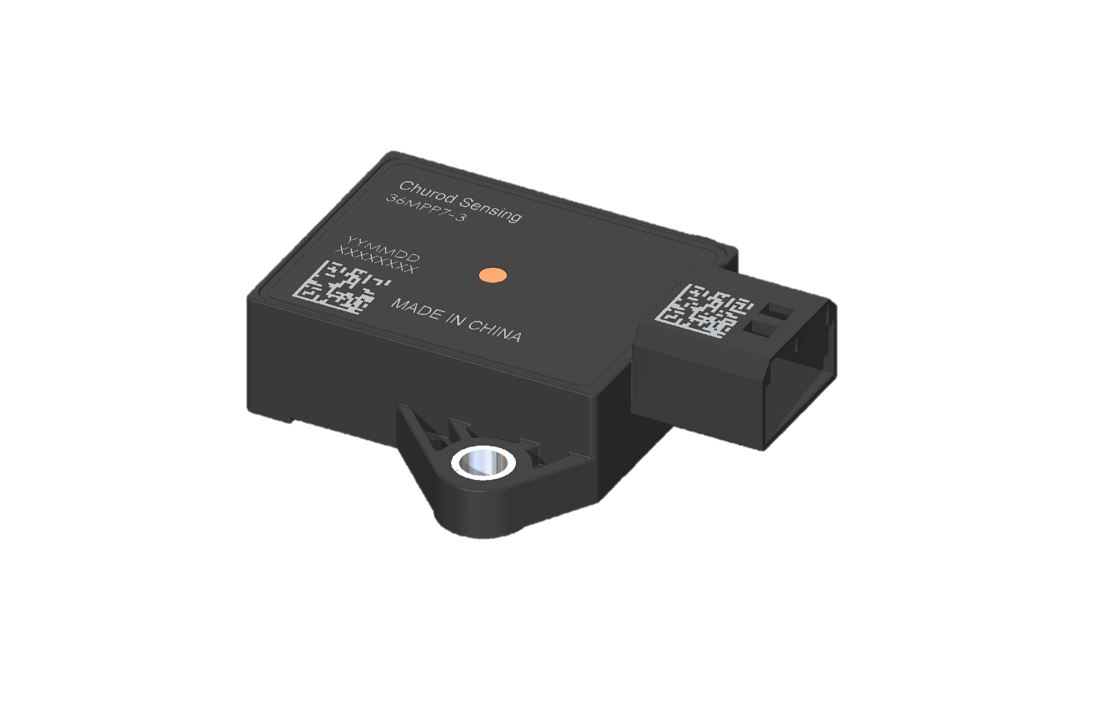
Battery Pressure Sensor
MEMS Pressure Sensor
- Battery Pack Thermal Runaway Detection and Alarm Solution
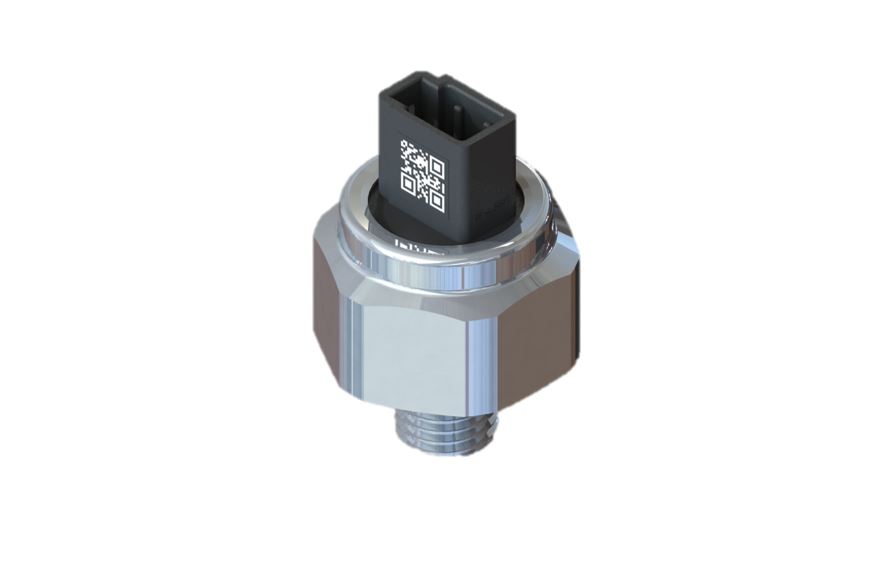
Transmission Pressure Sensor
Ceramic Pressure Sensor
- Vehicle Transmission Oil Pressure Measurement


