







 HOME
HOME

【Exhibition Review】Tokyo Exhibition Concludes. When the Crowds Disperse, CHUROD’s Journey Begins
 2026-07-14
 Exhibitions


An Electronic Component’s Tokyo Monologue
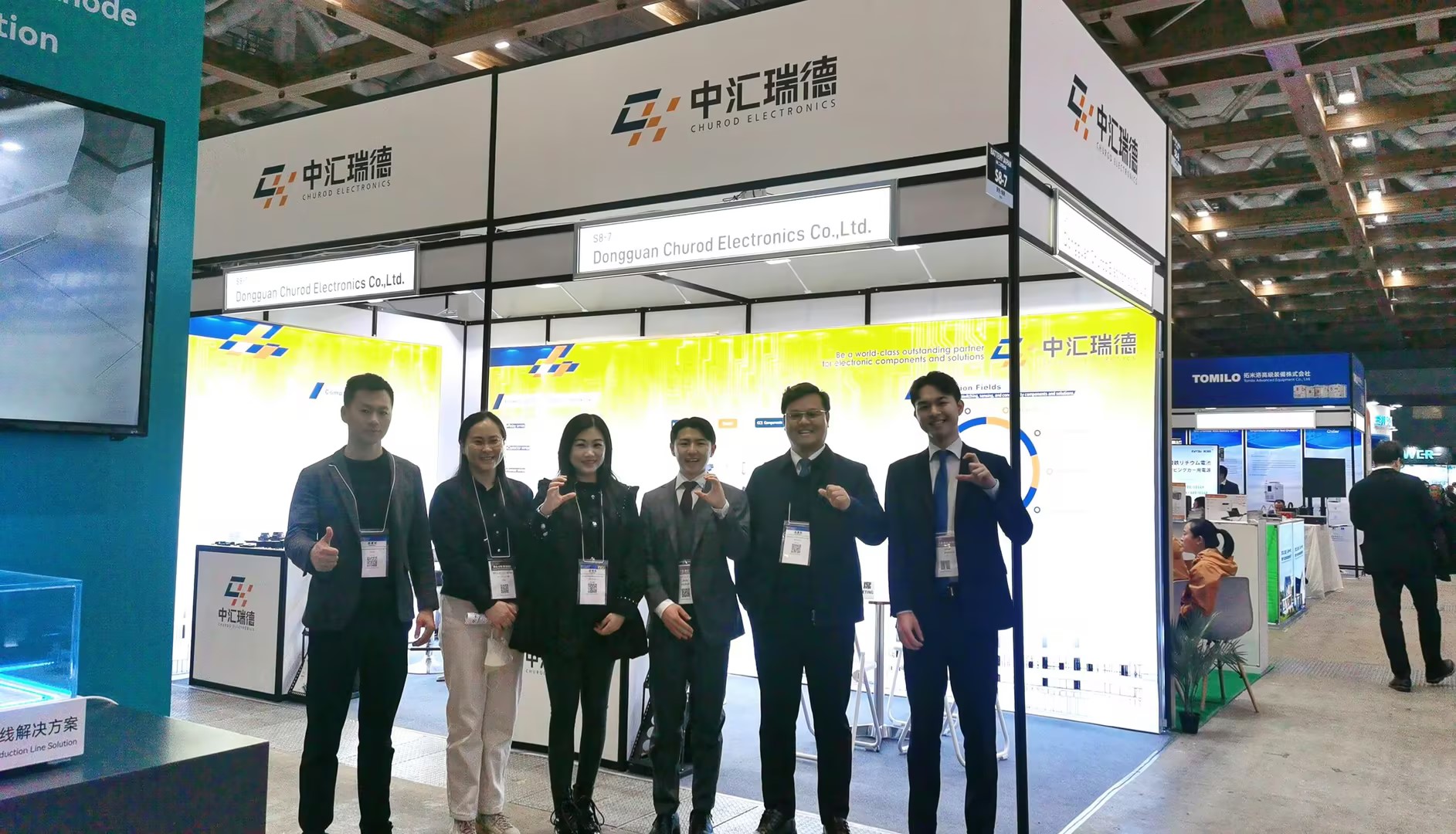
On March 19, the lights gradually dimmed at Tokyo Big Sight, marking the close of the three-day Spring Exhibition of The Smart Energy Week 2026. While packing up the booth, our engineer was still explaining to a Japanese customer: “For this CHPV high-voltage DC contactor, we reserved an extra 0.3 millimeters for the internal contact gap beyond standard requirements.” The customer nodded and said in halting English: “Visible parameters are easy to achieve. The invisible safety margin shows your commitment.”
This remark is perhaps the best footnote to our participation in this exhibition.
Over these three days, 1,600 exhibitors worldwide and over 70,000 professional visitors gathered here. On Asia’s largest stage for renewable energy, what we witnessed was more than static displays of photovoltaic panels and energy storage batteries — it was an in-depth dialogue on energy transition.
1. From Selling Products to Explaining Technology
On March 17, the first day of the exhibition, the footfall in each hall exceeded expectations. More than 1,600 enterprises from across the globe competed on the same stage. One obvious observation this year is that Japanese customers no longer only focus on local brands.
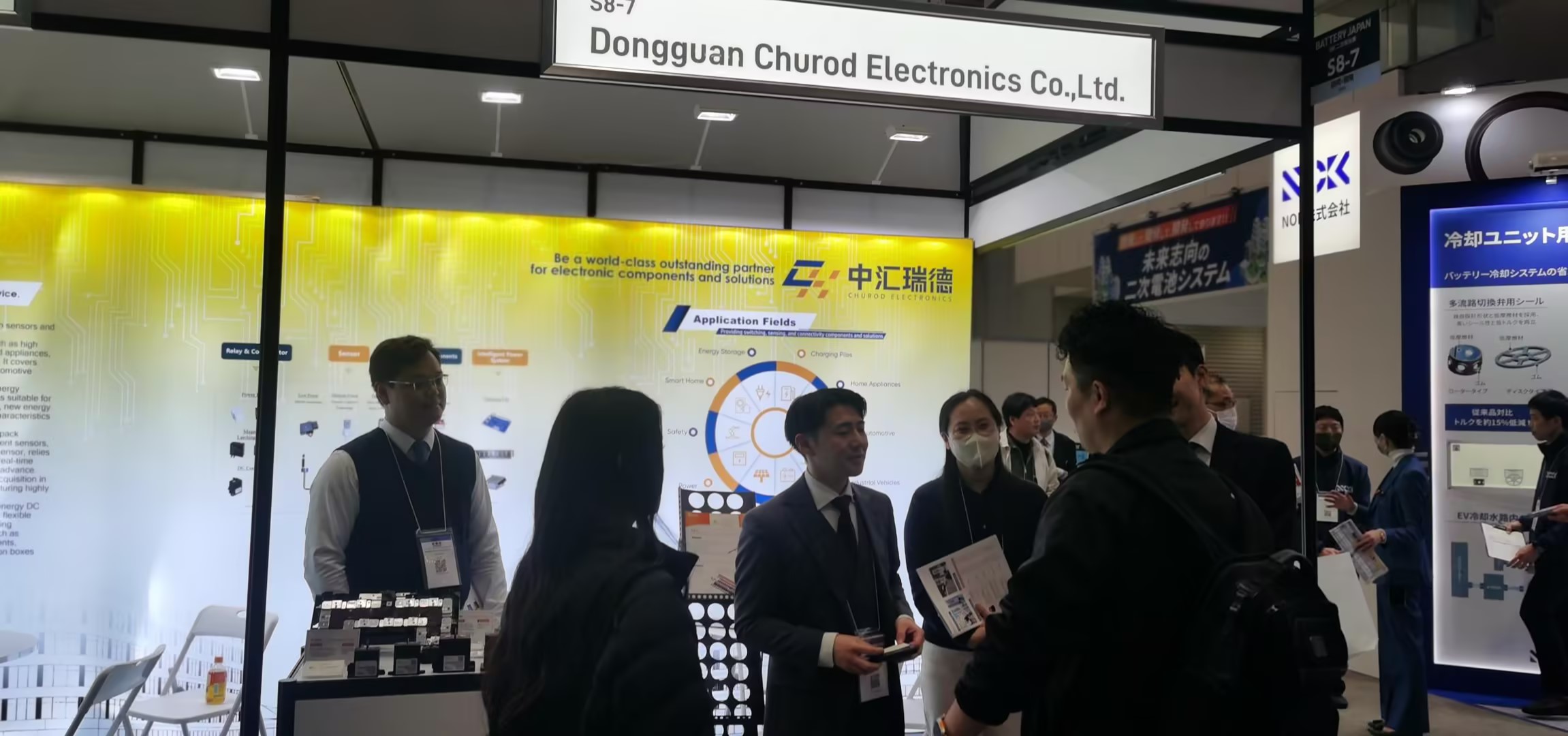
At Churod’s booth, many professional visitors pulled out drawings directly — PCB layouts of energy storage inverters, wiring diagrams of PV combiner boxes — and pointed to specific spots to ask: “For the relay here, can you keep the height within 23 mm? Can the coil power consumption be controlled below 1.6 W?”
These questions were highly specific — so specific that it felt less like casual exhibition browsing and more like a technical review session.
With the implementation of policies mandating solar panel installation for new residential buildings in Tokyo and other regions, the combination of "photovoltaics + energy storage" has shifted from an optional bonus to a mandatory requirement. When it comes to electronic components, Japanese customers never merely look at the maximum values listed on datasheets. What they care more about is: can the product hold up under the harshest working conditions?
2. From Observing Phenomena to Recognizing Trends
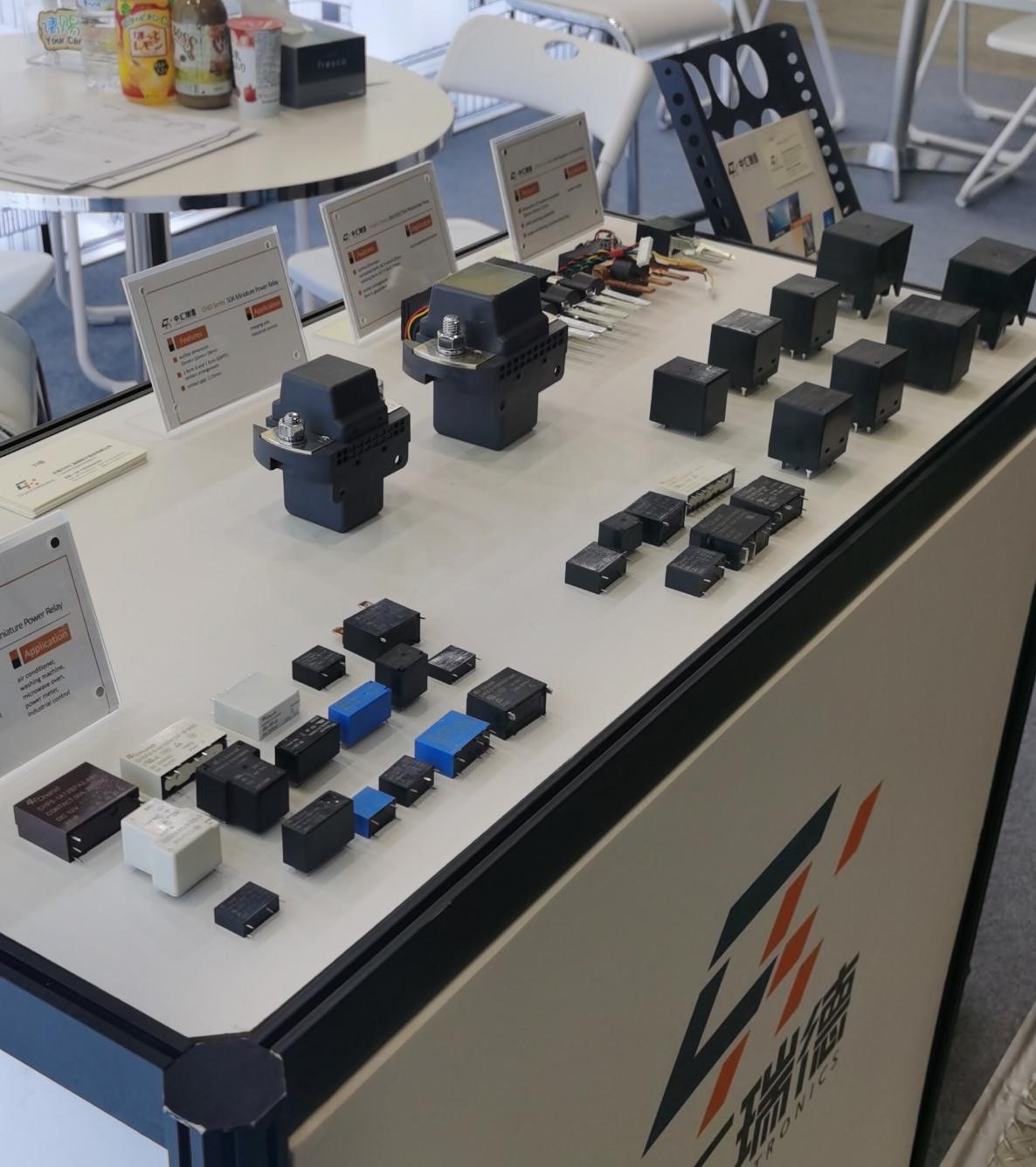
Over the three-day exhibition, all members of the Churod team shared the same impression: the Japanese market holds the same dedication to technical details as we do. This event was not merely a showcase, but also a valuable "technical consultation". From the visitor heatmap across exhibition halls and discussions in forum sessions, we identified several key signals:
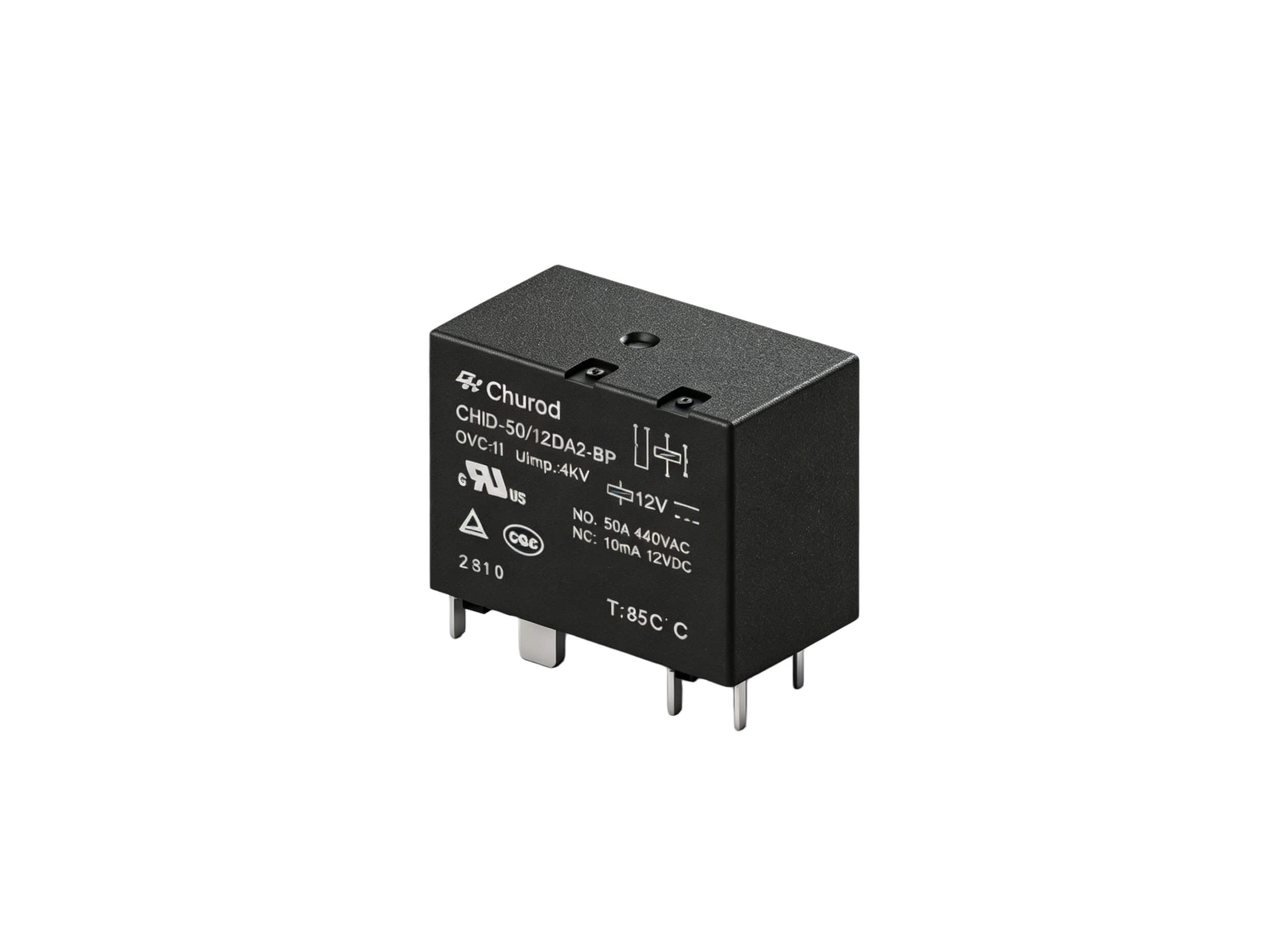
Energy storage has moved from a supporting role to center stage. In the past, energy storage exhibition zones were often treated as an add-on to photovoltaics, yet BATTERY JAPAN (Rechargeable Battery Show) attracted markedly greater attention this year. Customers are no longer satisfied with purchasing individual components; instead, they focus more on the collaborative efficiency of the overall system. This aligns perfectly with Churod’s strategic layout in recent years. Our high-voltage DC contactor product line ranges from 750V to 1500V, with a mechanical life of up to 500,000 cycles. Selected models also support optional temperature monitoring functions. Parameters are fixed figures, yet an extra layer of monitoring brings an extra measure of safety to the system.
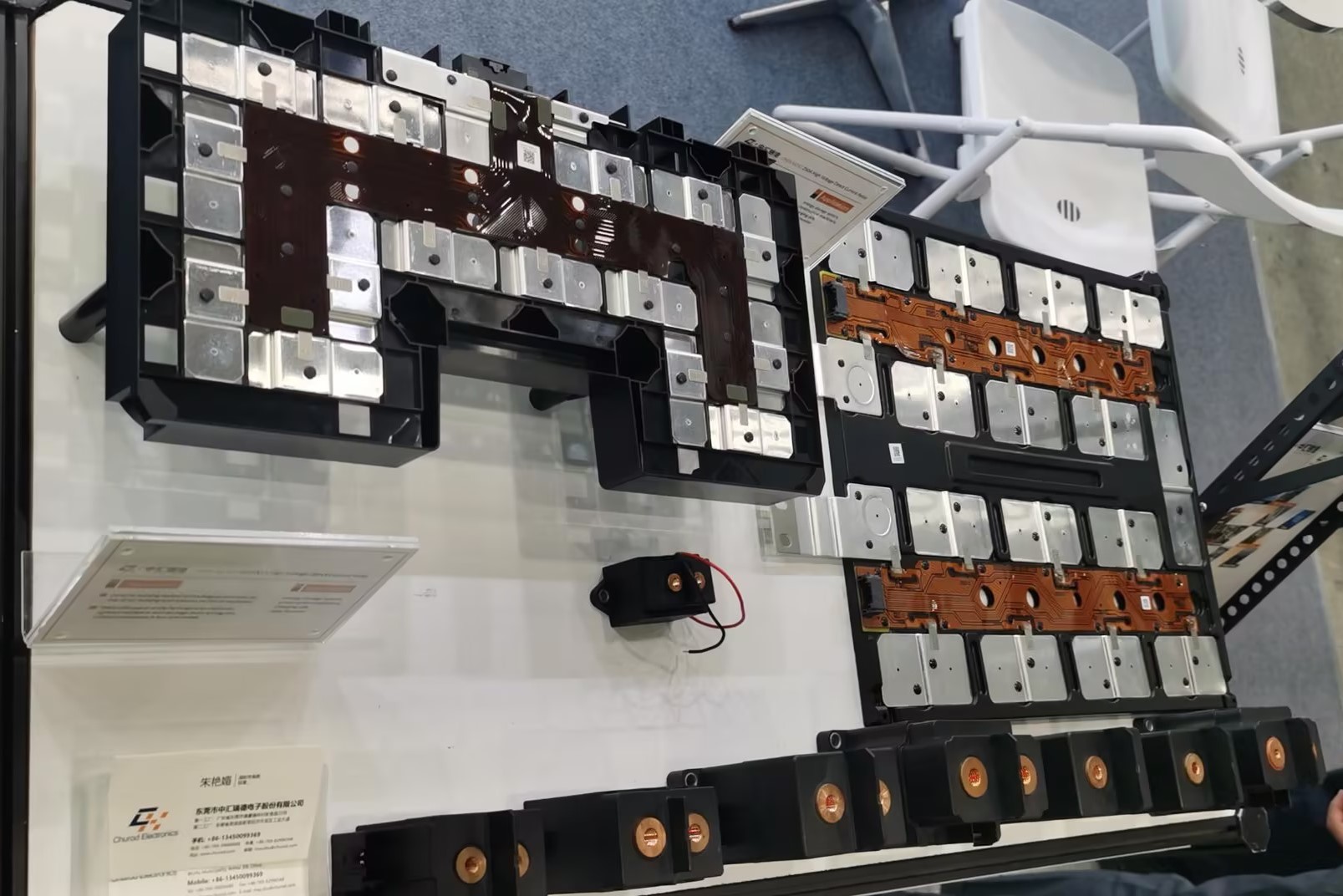
Hydrogen energy remains a hot topic, yet the focus has shifted. The adjacent Hydrogen Fuel Cell Exhibition was still packed with visitors, but discussions were no longer centered on "when large-scale adoption will happen", but rather "how to build solid supporting infrastructure". Control components are required in every link of hydrogen production, hydrogen storage and hydrogen utilization. Some foreign automakers and fuel cell manufacturers have started to inquire about lead times for domestically-made Chinese components. This marks a subtle shift: when cost pressure rises, reliability is no longer the sole benchmark, and delivery capacity carries equal importance.
Carbon footprint is becoming a hard requirement.
This year, the exhibition was held simultaneously in the same venue with the DECARBONISATION EXPO, and this is no coincidence. More and more companies are beginning to inquire about the carbon emissions throughout the entire product life cycle. For Churod, this represents both a challenge and an opportunity. When we can provide components that meet low-carbon standards, we become not merely suppliers, but collaborators in our customers' carbon strategies.
3. From Booming Crowds to Quiet Reflection
For the three days of the show, the venue was always bustling with noise.
Yet the hustle and bustle over these three days was more than just casual exchanges; it amounted to a tacit technical review session. When drawings were laid out, language barriers naturally faded away. When parameters were aligned, national boundaries quietly receded. Everyone cared about only one thing: can your product solve my problem?
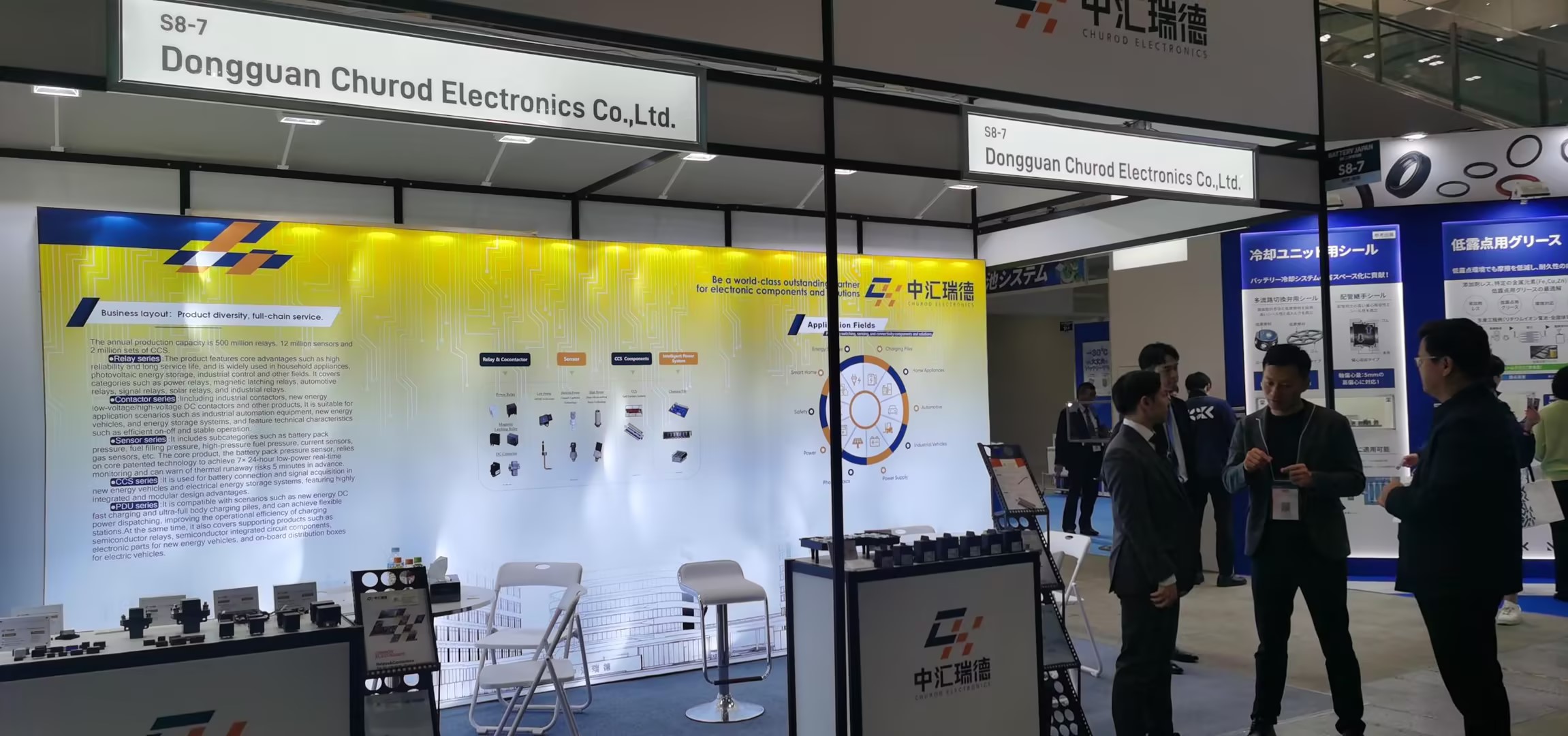
This brought about a wonderful sense of fulfillment upon departure. There were no loud celebrations, only a tacit conclusion after technical discussions. To outsiders, what stands out is the busy scene at our booth. What matters more to us, however, is the consistent, quiet dedication of Churod’s technical team behind all the bustle.
Most of Churod’s journey actually unfolds in silence. The bustling exhibition lasts merely three days, yet laboratory testing runs 365 days a year. A business negotiation may take only half an hour, while automated production lines operate nonstop around the clock. Precisely for this reason, we embrace those three busy exhibition days — not for fanfare, but to remind ourselves that all the quiet efforts must ultimately stand the test of the market.
Founded in 2009, Churod has expanded across home appliances, industrial control, 5G communications and new energy vehicles. Our portfolio of over 200 patents is never just numbers on paper; it represents the reliability built into every single product.
Longtime partners may have noticed that Churod has maintained a quieter profile in external communications in recent years. It is not that we lack stories to tell, nor are we deliberately keeping a low profile. Instead, we are increasingly convinced: in the B2B space, the best form of communication lies in proven, stable product performance at customer sites.
Quiet persistence speaks volumes.
Post-Show Epilogue
That night after leaving the exhibition hall, the exhibiting team gathered at an izakaya. Outside the window lay Tokyo’s night view; inside, there was both exhaustion and satisfaction after three straight days of intensive customer meetings.
Someone asked: “What was your biggest takeaway from this show?”
An engineer paused for a moment and replied: “For me, it is not how many business cards we collected or how much information we gathered on-site. It is that we finally helped Japanese customers believe that Chinese electronic components can reach levels beyond their expectations.”
It turns out that for this so-called “hardest market to enter”, the barrier is not insufficient strength, but a lack of understanding of the market.
In March, cherry blossoms in Tokyo were yet to bloom in full, yet the "spring" of the energy industry was already in the air. What Churod brought back from Tokyo was not just stacks of business cards and many prospective customers, but also firm confidence in our technical roadmap, sharp insights into market demands, and unwavering dedication to relentless technological refinement.
Exhibitions come to a close, yet R&D never stops, testing never stops, and our pursuit of reliability never stops. Moving forward, our technical team will use the customer feedback collected during the show to accelerate product adaptation tailored for Japan and the broader Asian market.
Because only by achieving technical resonance with the market can we truly take root.
In the spring of 2026, we planted seeds in Tokyo. As for the harvest, we leave it to time.