









 HOME
HOME


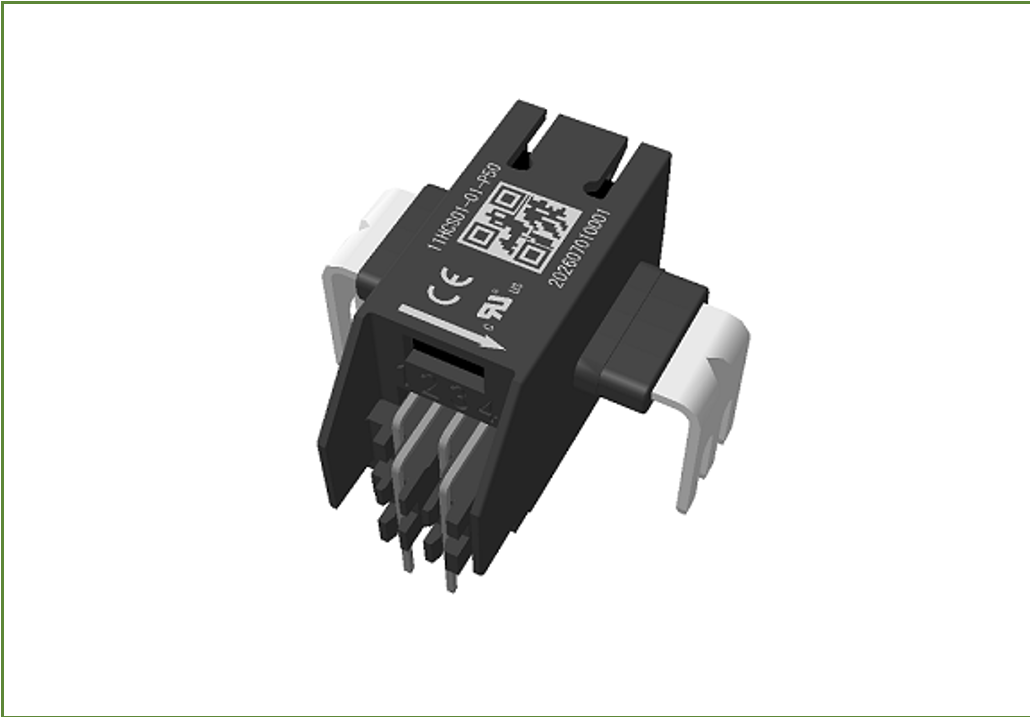
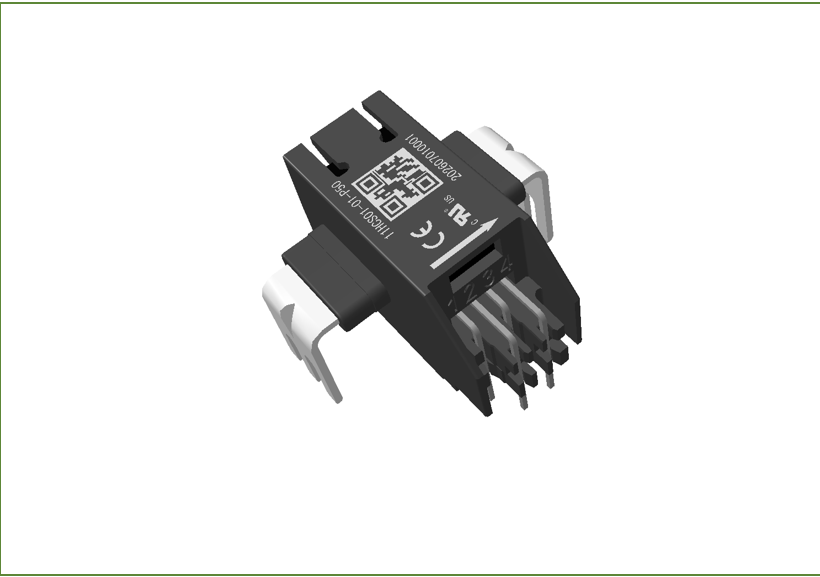
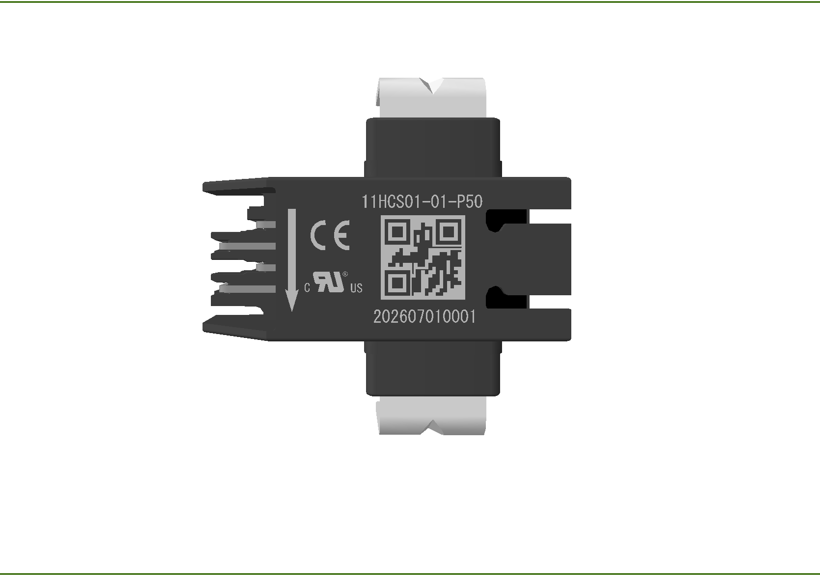
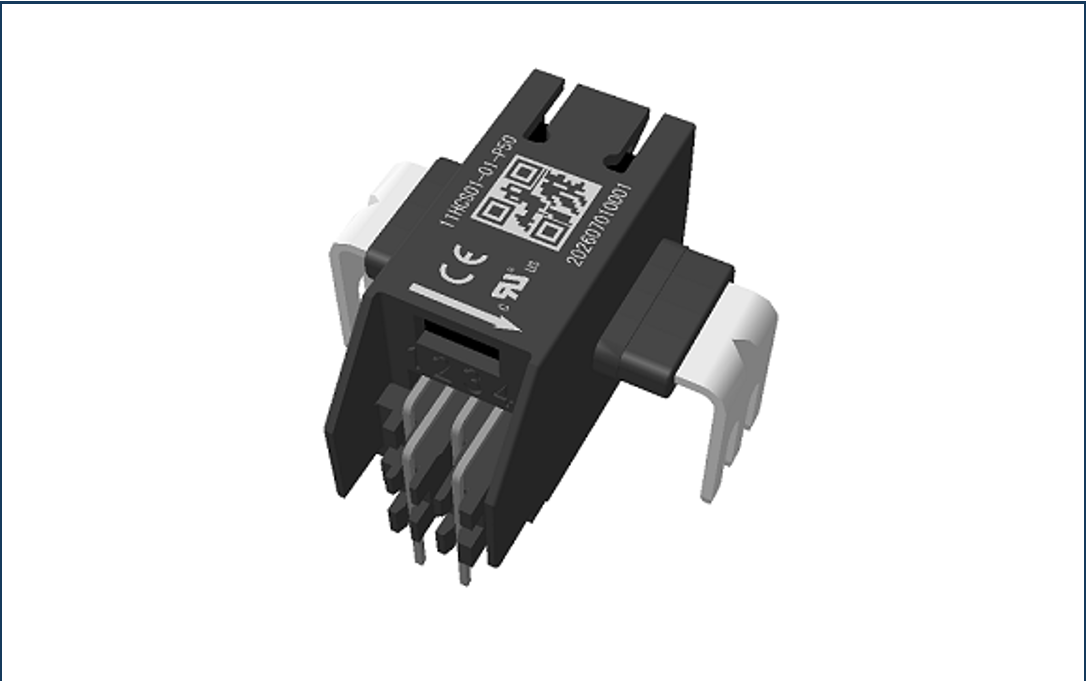
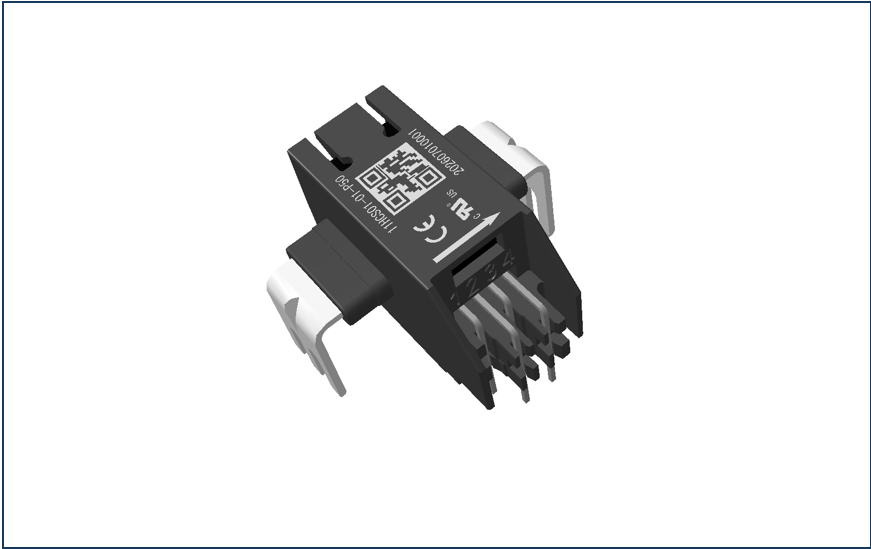
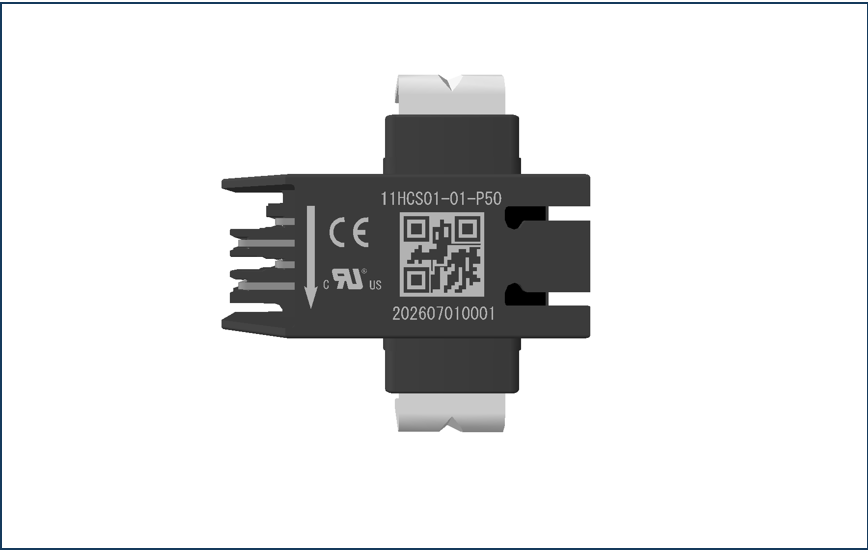

Current Sensor
11HCS series
Compact open-loop Hall-effect current sensor
For AC/DC signal
Measuring range: 10–50 Arms/DC
Supply voltage: 3.3 V / 5 V
High accuracy, fast response, low temperature drift
PCB-mountable
Application:
Industrial control, PVI, UPS, servo, energy storage
Product Characteristics
HCS series current sensor, based on open-loop Hall principle,with a built-in ASIC, is capable of isolated measurement of AC, DC, and pulsed currents.
The measuring ranges is from 10 to 50 A. Featuring a compact design, it provides primary-to-secondary electrical isolation, low temperature drift, and fast response.
Both through-hole and surface-mount PCB mounting options are available. Operating on a single supply voltage, it integrates factory calibration for high reliability.
It is widely used in PV inverters, servo drives, switching power supplies, UPS systems, and various industrial power equipment for current sensing and overcurrent protection
Series Model rated
current
current
range
sensitivity power
supply
reference voltage rated output output range Response
time
Bandwidth
-3dB
operating
temperature
11HCS 11HCS01-01-P10 10A 25A 80mV/A ﹢5V 2.5V 2.5±0.8 V 2.5±2 V 1.5μs 220kHz -40-125° 11HCS01-01-P16 16A 40A 50mV/A 11HCS01-01-P20 20A 50A 40mV/A 11HCS01-01-P32 32A 80A 25mV/A 11HCS01-01-P40 40A 100A 20mV/A 11HCS01-01-P50 50A 125A 16mV/A 11HCS 11HCS01-02-P10 10A 25A 46mV/A ﹢3.3V 1.65V 1.65±0.46 V 1.65±1.15 V 1.5μs 220kHz -40-125° 11HCS01-02-P16 16A 40A 28.75mV/A 11HCS01-02-P20 20A 50A 23mV/A 11HCS01-02-P32 32A 80A 14.375mV/A 11HCS01-02-P40 40A 100A 11.5mV/A 11HCS01-02-P50 50A 125A 9.2mV/A
Open-loop Hall principle
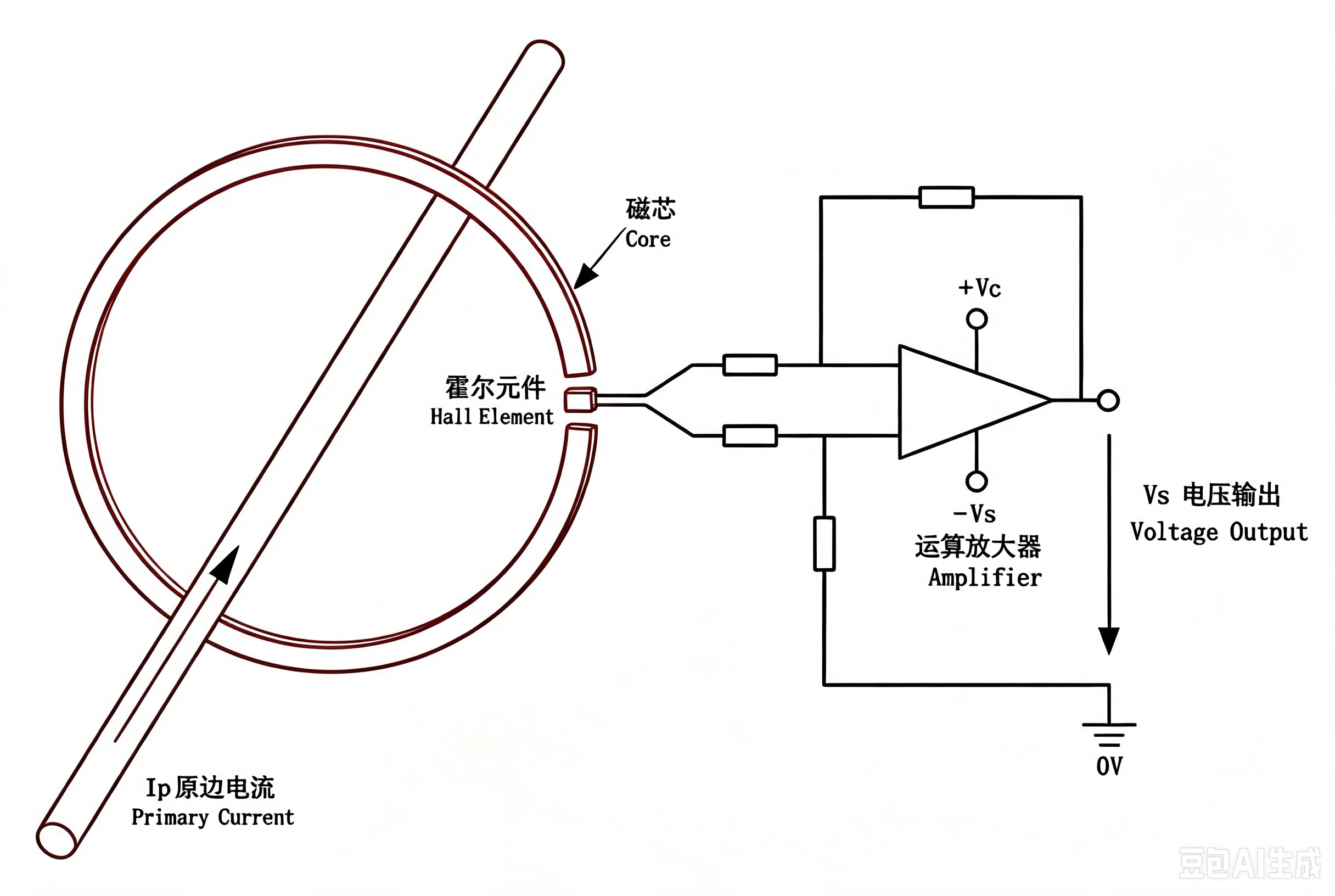
The open-loop Hall current sensor operates on the principles of the Hall effect and electromagnetic induction to achieve current detection. It is a structurally simple, non-contact current sensing device capable of measuring AC, DC, and pulsed currents. Its core architecture comprises a magnetic concentrator core, a Hall element, and a signal conditioning circuit. The absence of a feedback compensation loop defines its open-loop configuration.
During operation, the measured current-carrying conductor passes through the center of the sensor core. The current in the conductor generates a magnetic field proportional to the current magnitude in the surrounding area. The dispersed magnetic flux lines are concentrated and channeled by the annular core, converging at the designated air gap within the core. This concentration mechanism effectively enhances magnetic flux utilization and detection sensitivity. The Hall element, positioned within the air gap, senses the magnetic field perpendicularly and outputs a weak Hall voltage based on the Hall effect. This voltage exhibits a strict linear relationship with the magnetic flux density in the air gap, and is thus proportional to the primary measured current.
The measured Hall voltage signal is characterized by low amplitude and poor stability. It must be amplified, filtered, and conditioned by internal operational amplifiers to ultimately output a continuous and stable analog voltage signal. Compared to closed-loop sensors, the open-loop structure lacks magnetic compensation, resulting in simpler circuitry and mechanical construction, a compact form factor, lower cost, and faster response time. However, due to the influence of core hysteresis, temperature drift, and magnetic leakage, its measurement accuracy and immunity to interference are comparatively limited. Consequently, it is widely applied in scenarios with moderate accuracy requirements, such as general industrial current monitoring, home appliance electronic control, and low-voltage detection in new energy systems.
Document download
Document
Type
Format
Permission
Language
Size
Operation


